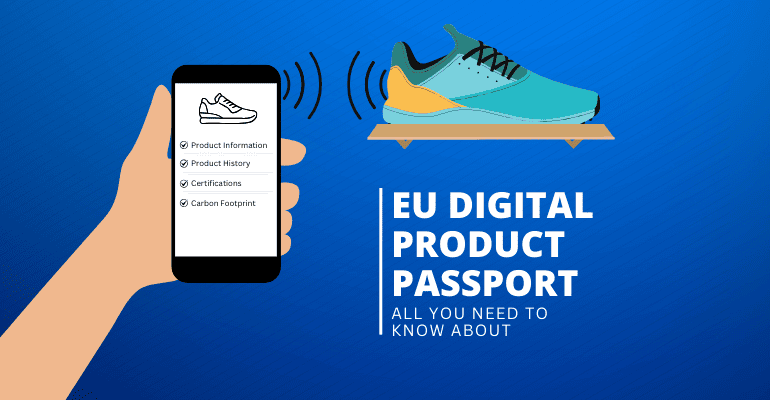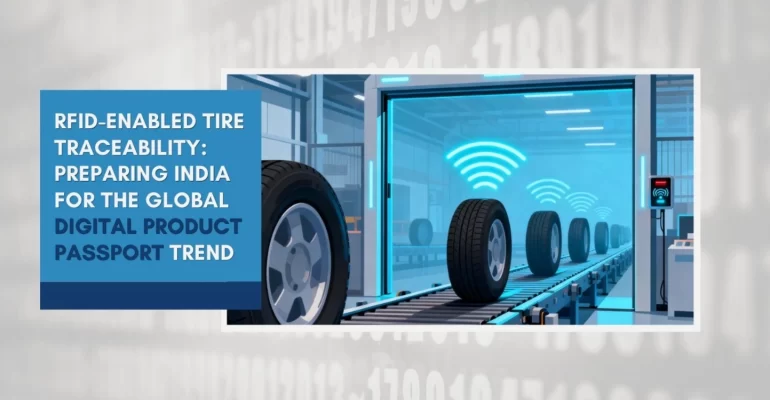
The world is moving toward digital product traceability, and the Digital Product Passport (DPP) in Europe is a big part of that. A Digital Product Passport (DPP) is a system in which every product (tire, electronic device, garment, etc) can be digitally identified based on how it was manufactured, its specifications, its history, and how it can be recycled. This is currently a European regulation, but it is one that Indian manufacturers cannot ignore, especially if they are manufacturing and exporting tires or automotive components.
Know more about Digital Product Passport Regulation
Why This Matters
Currently, most tires in India are tracked using labels, barcodes, engraved QR codes, or manual checks. All of these methods work, but they can be easily mismanaged. Labels can fall off, engraved QR codes can rub off, and while the tracking information may be available, sharing the information is not always easy.
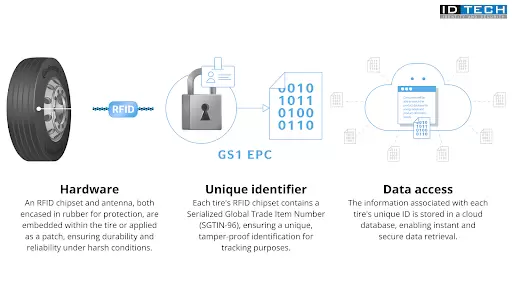
With RFID tags embedded in tires, every tire can carry a unique digital ID, making tracking much simpler and more accurate without worrying about the loss of the tag, its ID, or the information linked to it.
RFID tags can be read automatically using advanced RFID readers, giving manufacturers, distributors, and even consumers access to important information about each tire. They also support inventory management, maintenance, retreading, and recycling, all key areas emphasized by DPP. Even if India does not currently have a DPP regulation, adopting RFID now means we will be prepared when global standards like this begin influencing international trade and industry practices.
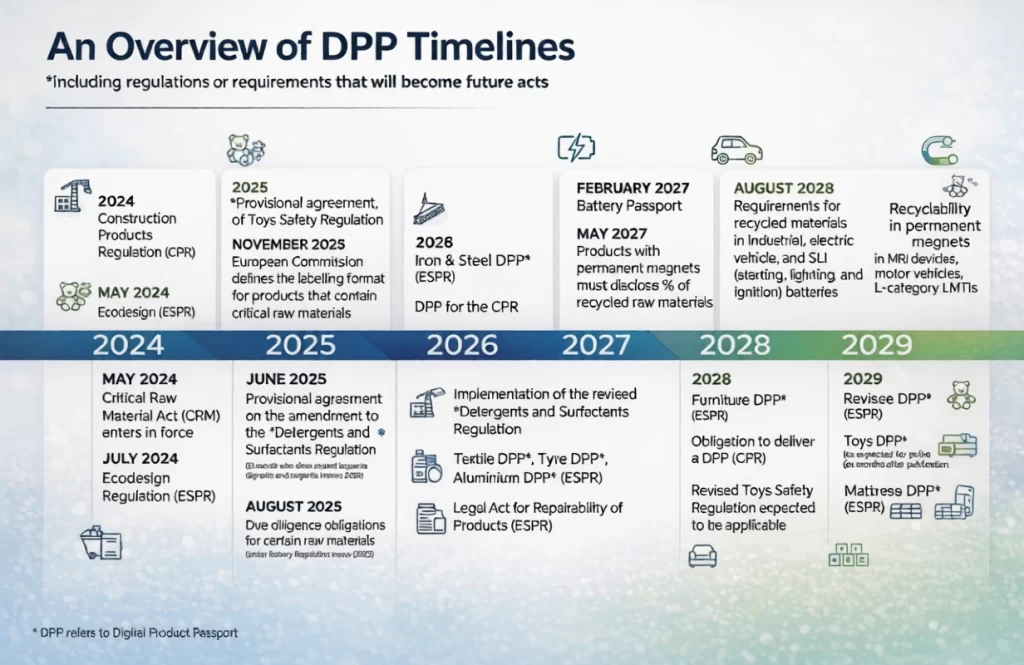
Europe’s push toward Digital Product Passports is not limited to one sector. While vehicle-level regulations are evolving, tyres themselves are expected to fall under DPP requirements from around 2027 under ESPR. This clearly signals a much larger shift. Regulators are demanding visibility into materials, emissions, recyclability, and full lifecycle data.
Tires are a high-impact and high-volume product. Because of that, they are directly part of this digital transformation, not just indirectly through vehicles.
For Indian manufacturers, the message is clear. Digital traceability is not optional in the long run. The sooner we embed intelligence into products, the better prepared we will be.
How India Can Benefit
For Indian tire companies, RFID is more than just a tracking tool. It can:
- Make inventory management faster and more accurate
- Help exporters comply with EU DPP rules more easily
- Support sustainability initiatives like recycling and retreading
- Give consumers confidence that tires are genuine and safe
By starting now, India’s tire industry can stay ahead, save time, reduce errors, and be ready for the global push toward fully digital traceability by 2030. RFID is not just about technology. It is about making processes smarter, safer, and more sustainable.
Download our Tyre Identification & Traceability using RAIN RFID guide. If you have any questions, contact us for expert guidance.